

Electricity Image

Electricity Types Uses and Benefits Explained

Electricity is one of the most essential forms of energy in the modern world, powering homes, industries, and countless devices we rely on daily. At its core, electricity is the flow of electric charge, usually carried by electrons through conductors like wires. It is a force that has transformed human life, enabling lighting, heating, communication, and advanced technology. Without electricity, many aspects of modern life would come to a standstill.

There are different types of electricity, including static electricity, which occurs when charges build up on the surface of objects, and current electricity, which flows continuously through a circuit to power devices. Current electricity further divides into direct current (DC) and alternating current (AC), each with specific uses in homes, industries, and electronics.

Understanding electricity is not only important for using it efficiently but also for ensuring safety. From renewable sources like solar and wind to traditional power generation methods, electricity remains the backbone of modern civilization, driving progress, comfort, and innovation.

Made in USA
FDA Approved
100% Natural

What is Electricity? Understanding the Basics

Electricity is a fundamental form of energy that powers our everyday lives. In simple terms, electricity is the movement of charged particles, mainly electrons, through a conductor such as a wire. This flow of electric charge creates energy that can be harnessed to power everything from small electronic gadgets to entire cities. Understanding electricity is essential, not just for using it effectively, but also for ensuring safety in our homes and workplaces.

There are two main types of electricity: static electricity and current electricity. Static electricity occurs when electric charges build up on the surface of objects, often producing small sparks, like when you rub a balloon on your hair. Current electricity, on the other hand, is the continuous flow of electrons through a circuit and is the type of electricity most commonly used in homes, schools, and industries. Current electricity comes in two forms: Direct Current (DC), where electricity flows in one direction, and Alternating Current (AC), where the flow changes direction periodically. AC is widely used for household and commercial power because it can travel long distances efficiently.

Electricity is also a versatile energy source. It can be generated from renewable sources like solar, wind, and hydroelectric power, as well as from non-renewable sources such as coal, natural gas, and nuclear energy. By understanding the basics of electricity, we gain insight into how energy is produced, transmitted, and used safely, making it an indispensable part of modern life.
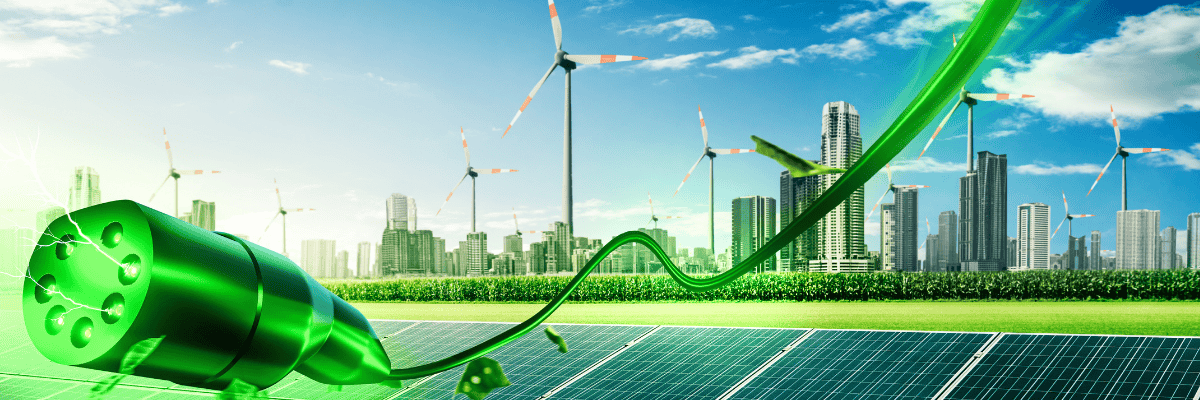
Electricity

History of Electricity

The history of electricity is a fascinating journey that spans centuries of discovery and innovation. Humans have observed natural electricity since ancient times, such as lightning and static shocks, but understanding and harnessing it took much longer. Around 600 BCE, the Greek philosopher Thales of Miletus discovered that rubbing amber could attract lightweight objects, marking one of the earliest observations of static electricity.

Significant progress occurred during the 17th and 18th centuries. Scientists like William Gilbert studied magnetism and electricity, while Benjamin Franklin’s famous kite experiment in 1752 demonstrated the connection between lightning and electric charge. In the 19th century, inventors such as Alessandro Volta, Michael Faraday, and Thomas Edison transformed electricity from a scientific curiosity into practical applications. Volta created the first electric battery, Faraday discovered electromagnetic induction, and Edison developed the electric light bulb, making electricity accessible for homes and industries.

Today, electricity powers nearly every aspect of modern life, from lighting and communication to transportation and technology. Understanding its history helps us appreciate how discoveries over centuries shaped the energy source we rely on daily and continue to innovate for a sustainable future.

How Does Electricity Work?

Electricity works through the movement of charged particles, mainly electrons, in a conductor. This flow of electrons, known as an electric current, is what powers everything from household appliances to industrial machinery. In simple terms, when a circuit is complete, electricity travels from the power source, through wires and devices, and back to the source, creating energy that can be used efficiently.

The basic components of an electric circuit include a power source, like a battery or power plant; conductors, such as wires, that carry the electricity; load devices, like lights or motors, that use the electricity; and control devices, such as switches, to regulate the flow. Without a complete circuit, electricity cannot flow, which is why understanding circuits is key to understanding how electricity works.

Electricity can flow in two primary ways: Direct Current (DC) and Alternating Current (AC). In DC, electrons flow in a single, constant direction, commonly used in batteries and small electronics. In AC, electrons periodically change direction, which is how electricity is delivered to homes and businesses efficiently over long distances.

Moreover, electricity works on the principle of energy conversion. Electrical energy can be converted into light, heat, or mechanical energy depending on the device it powers. Conductors, insulators, and resistors all play crucial roles in controlling and directing electricity safely. By understanding how electricity works, we can harness it effectively, ensure safety, and appreciate the vital role it plays in modern life and technology.

Types of Electricity You Should Know About

Electricity is not a single, uniform form of energy; it exists in several types, each with unique characteristics and uses. Understanding the different types of electricity helps us use it more efficiently and safely in our daily lives. Broadly, electricity can be classified into static electricity and current electricity, with current electricity further divided into Direct Current (DC) and Alternating Current (AC).

1. Static Electricity

Static electricity is the buildup of electric charge on the surface of objects. It usually occurs when two objects rub against each other, causing electrons to transfer. Common examples include the sparks you feel when touching a doorknob after walking on a carpet or the way a balloon sticks to your hair. While static electricity is temporary, it demonstrates how electric charges interact.

2. Current Electricity

Current electricity is the continuous flow of electrons through a conductor, such as a wire, and is the type of electricity that powers our homes, industries, and electronic devices.

  • Direct Current (DC): In DC, electricity flows in one consistent direction. Batteries, flashlights, and solar panels commonly use DC. It is ideal for low-voltage applications and devices that need a steady supply of power.
  • Alternating Current (AC): In AC, the direction of the flow changes periodically. AC is used for household electricity and commercial power because it can travel long distances efficiently and can be easily transformed to different voltage levels.

By understanding these types of electricity, we can better appreciate how energy is generated, transmitted, and applied in modern life. Knowledge of electricity also helps ensure proper usage and safety in everyday activities.

How Electricity is Generated: From Power Plants to Homes

Electricity is an essential part of modern life, but most people rarely think about how it reaches their homes. Understanding how electricity is generated and delivered helps us appreciate its importance and use it more efficiently. Electricity is produced in power plants using various energy sources and then transmitted through a complex network of wires and substations to reach homes, businesses, and industries.

1. Thermal Power Plants: Thermal power plants generate electricity by burning fossil fuels such as coal, oil, or natural gas. The heat produced turns water into steam, which drives turbines connected to generators, producing electricity.

2. Hydroelectric Power Plants: Hydroelectric plants use the energy of flowing or falling water to spin turbines. Water stored in dams flows through turbines, generating clean and renewable electricity.

3. Nuclear Power Plants: Nuclear plants use the energy released from splitting atoms in a process called nuclear fission. The heat generated produces steam that drives turbines to create electricity.

4. Renewable Energy Sources: Electricity can also be generated from renewable sources like solar panels, which convert sunlight into electricity, and wind turbines, which use wind energy to spin generators.

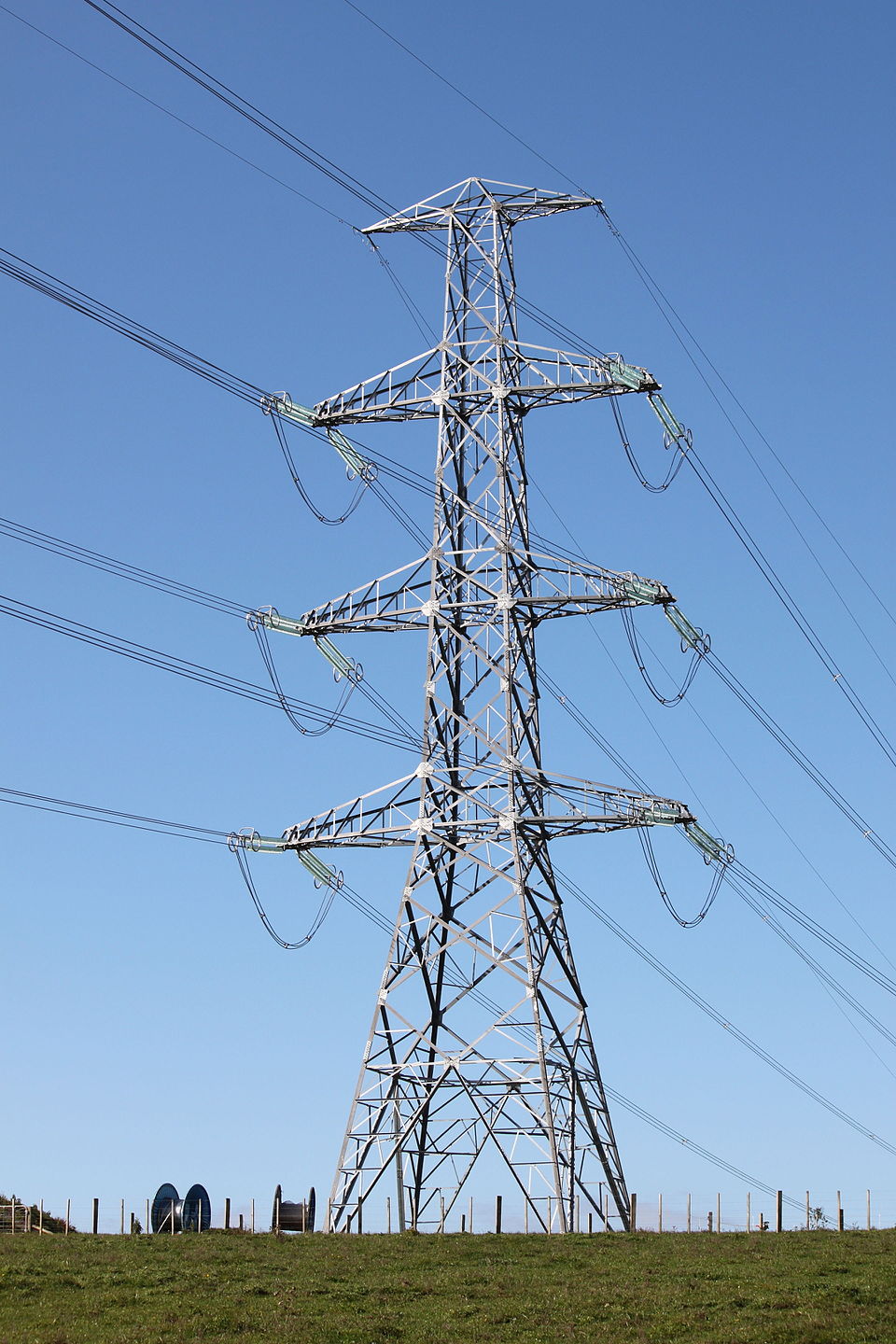
5. Transmission to Homes: Once generated, electricity travels through high-voltage transmission lines to substations, where the voltage is reduced for safe distribution. From there, it flows through local power lines into homes and businesses, powering lights, appliances, and devices efficiently.

By understanding how electricity is generated and transmitted, we can better appreciate the technology behind this indispensable energy source and use it responsibly in our daily lives.

Everyday Uses of Electricity

Electricity is an essential part of our daily lives, powering almost everything around us. From the moment we wake up to when we go to bed, electricity plays a vital role in making our routines easier, faster, and more convenient. Understanding the everyday uses of electricity helps us appreciate this invisible energy source and highlights its importance in modern life.


1. Household Uses
In homes, electricity powers lighting, fans, air conditioners, refrigerators, washing machines, and other appliances. It makes cooking, cleaning, and entertainment simple and efficient. Devices like televisions, computers, and smartphones also rely on electricity to function.


2. Industrial and Commercial Uses
Electricity drives machinery in factories, powers office equipment, and supports commercial operations. Industries use electricity for manufacturing, processing, and communication, making it a backbone of economic activity.


3. Transportation
Electricity is increasingly used in transportation, such as electric trains, metro systems, and electric vehicles (EVs), providing cleaner and more sustainable alternatives to traditional fuels.

4. Communication and Technology
Modern communication systems like the internet, mobile networks, and data centers depend on electricity. It also powers medical devices, educational tools, and smart technologies that improve efficiency and connectivity.

5. Public Services
Streetlights, water supply systems, and emergency services rely on electricity to function reliably, ensuring safety and convenience for communities.

Electricity is truly a cornerstone of modern life. By understanding its uses, we can not only enjoy its benefits but also adopt responsible practices to conserve and use it safely.

Electricity-web

Benefits of Electricity in Modern Life

Electricity is one of the most important discoveries in human history, transforming the way we live, work, and interact with the world. Its benefits in modern life are vast, making it an indispensable part of everyday activities. Understanding the advantages of electricity helps us appreciate its role and encourages responsible usage.

1. Convenience and Efficiency: Electricity powers household appliances, lighting, and heating systems, making daily tasks faster and easier. From cooking meals to cleaning clothes, electricity saves time and effort, allowing people to focus on more productive activities.

2. Technological Advancements: Electricity is the backbone of modern technology. Computers, smartphones, and the internet rely on electricity, enabling instant communication, access to information, and digital innovation across all sectors.

3. Industrial and Economic Growth: Industries and businesses depend on electricity to operate machinery, production lines, and communication networks. Reliable electricity boosts productivity, supports economic growth, and creates employment opportunities.

4. Education and Healthcare: Electricity powers schools, laboratories, and medical facilities, improving learning environments and healthcare services. It supports medical devices, diagnostic equipment, and emergency response systems, saving lives and enhancing quality of life.

5. Sustainable Solutions: Renewable electricity sources like solar, wind, and hydro provide eco-friendly energy, reducing dependence on fossil fuels and minimizing environmental impact.

In conclusion, electricity enriches modern life by providing convenience, innovation, economic support, and sustainable energy solutions. It is truly a cornerstone of progress and comfort in today’s world.

Electricity Safety Tips Everyone Must Follow

Electricity is a powerful and essential energy source, but it can be dangerous if not used safely. Understanding basic electricity safety tips helps prevent accidents, injuries, and damage to property. Following proper precautions ensures that you can enjoy the benefits of electricity without risks.

1. Avoid Overloading Circuits: Do not plug too many devices into a single socket. Overloading can cause overheating, short circuits, or fires. Use surge protectors for multiple devices.

2. Keep Electrical Appliances Dry: Water and electricity are a dangerous combination. Always handle electrical devices with dry hands and keep them away from wet areas to prevent shocks.

3. Regular Inspection and Maintenance: Check wires, plugs, and appliances regularly for damage. Replace frayed cords or faulty devices immediately to reduce the risk of electrical hazards.

4. Use Proper Insulation and Grounding: Ensure that electrical installations are properly insulated and grounded. This protects against electric shocks and ensures safe operation of devices.

5. Educate Family Members: Teach children and family members about basic electricity safety. Avoid letting them handle high-voltage appliances or exposed wiring.

By following these electricity safety tips, you can minimize risks and make your home, workplace, and surroundings safer. Responsible usage of electricity not only protects lives but also ensures efficient and uninterrupted use of this vital energy source.

Future of Electricity: Sustainable and Renewable Energy

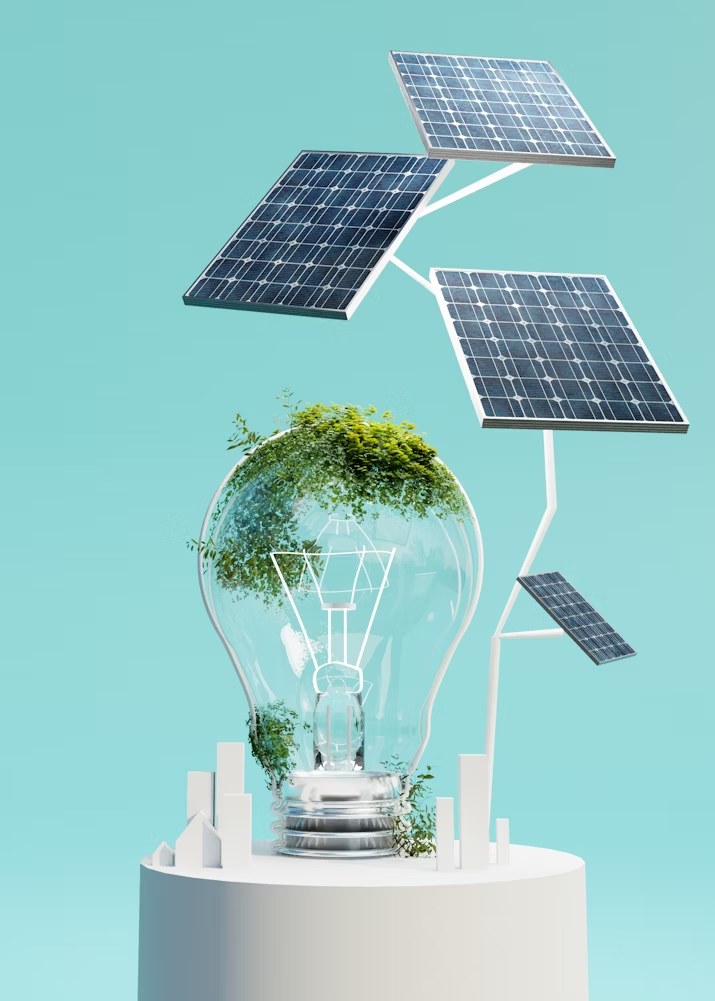
The future of electricity is closely linked with sustainability and renewable energy sources. As the demand for electricity continues to grow worldwide, it is essential to focus on cleaner, eco-friendly solutions that reduce environmental impact while meeting energy needs. Renewable electricity sources such as solar, wind, hydro, and geothermal power are shaping the future of energy by providing sustainable alternatives to fossil fuels.

1. Solar Energy: Solar panels convert sunlight into electricity, offering a clean and abundant energy source. Solar electricity is increasingly used in homes, businesses, and even large-scale power plants, reducing dependence on conventional energy.

2. Wind Energy: Wind turbines generate electricity by harnessing the power of moving air. Wind electricity is renewable, cost-effective, and contributes to lowering greenhouse gas emissions.

3. Hydroelectric and Geothermal Power: Hydroelectric plants use flowing water to produce electricity, while geothermal energy taps heat from the Earth’s core. Both methods offer consistent, renewable electricity for long-term use.

4. Smart Grids and Energy Storage: The integration of smart grids and energy storage technologies allows for efficient distribution and management of electricity, making renewable energy more reliable and accessible.

By embracing sustainable and renewable electricity solutions, we can ensure a cleaner, greener future, reduce carbon footprints, and continue to enjoy the essential benefits of electricity safely and efficiently.

Common Myths About Electricity Debunked

Electricity is an essential part of modern life, but there are many myths and misconceptions surrounding its use. Understanding the facts helps ensure safety, efficiency, and responsible usage. Let’s debunk some common myths about electricity.

1. Myth: Lightning Never Strikes the Same Place Twice Fact: Lightning can strike the same location multiple times. Tall buildings and open spaces are particularly vulnerable. Electricity, in this natural form, follows the path of least resistance, not luck.

2. Myth: Turning Devices Off Saves No Energy Fact: Even when not in use, some devices consume electricity in standby mode. Fully unplugging or using power strips can reduce unnecessary electricity usage and lower bills.

3. Myth: Touching a Frayed Wire is Safe if It’s Not Plugged In Fact: Even unplugged wires can store residual electricity or connect to live circuits. Handling damaged wires is dangerous and can cause shocks or fire hazards.

4. Myth: More Electricity Means Better Performance Fact: Appliances are designed to work within a specific voltage range. Overloading or forcing extra electricity can damage devices or create safety hazards.

5. Myth: Small Shocks are Harmless Fact: Even minor shocks indicate improper wiring or safety issues. Repeated exposure can be dangerous and should never be ignored.

Debunking these myths helps us use electricity safely, efficiently, and responsibly, making everyday life more secure while enjoying the full benefits of this vital energy source.

Conclusion: Why Understanding Electricity Matters

Electricity is a cornerstone of modern life, powering homes, industries, communication systems, and technology. Understanding electricity is not just about knowing how it works, but also about using it safely and efficiently. By learning the basics of electricity, including its types, generation methods, and everyday applications, we gain the knowledge needed to harness this energy effectively.

Proper understanding also promotes safety. Awareness of potential hazards, circuit functions, and electrical precautions reduces the risk of accidents at home or in workplaces. Additionally, understanding electricity helps us make informed choices about energy usage, adopt renewable sources, and contribute to sustainable living.

In today’s fast-paced world, electricity drives innovation, comfort, and convenience. Recognizing its importance ensures we use it responsibly, conserve energy, and support technological progress. Ultimately, understanding electricity empowers individuals and communities to enjoy a safer, smarter, and more connected life.

FAQs About Electricity

1. What is Electricity?

Electricity is the flow of electric charge, typically carried by electrons, through a conductor. It is a form of energy that powers homes, industries, and electronic devices.


2. How does Electricity work?

Electricity works by moving electrons through a circuit. When a complete path exists between a power source and a device, electrons flow, creating energy that powers the device.


3. What are the types of electricity?

There are mainly two types: static electricity (buildup of charge) and current electricity (flow of electrons). Current electricity can be DC (direct current) or AC (alternating current).


4. What is direct current (DC)?

DC electricity flows in a single, constant direction. Batteries, solar panels, and small electronic devices commonly use DC power.


5. What is alternating current (AC)?

AC electricity changes direction periodically and is widely used in homes and commercial buildings due to efficient transmission over long distances.


6. How is electricity generated?

Electricity is generated using various sources like thermal (coal, gas), hydroelectric (water), nuclear (atomic reactions), and renewable sources like solar and wind energy.


7. How does electricity reach homes?

Electricity travels from power plants through high-voltage transmission lines to substations, where voltage is reduced and distributed to homes via local power lines.


8. What are conductors and insulators?

Conductors allow electricity to flow easily (e.g., copper, aluminum), while insulators prevent the flow of electricity (e.g., rubber, plastic) and ensure safety.


9. What are common uses of electricity?

Electricity powers lighting, household appliances, industrial machinery, computers, medical equipment, transportation, and communication systems.


10. Why is electricity important in modern life?

Electricity provides convenience, efficiency, supports technology, drives industrial growth, enables healthcare, education, and sustainable energy solutions.


11. What are the safety tips for using electricity?

Avoid overloading sockets, keep appliances dry, inspect wires regularly, use proper grounding, and educate family members about electrical hazards.


12. Can electricity be stored?

Yes, electricity can be stored in batteries and other energy storage systems, allowing usage when the power source is unavailable.


13. What is renewable electricity?

Renewable electricity comes from sources that naturally replenish, such as solar, wind, hydro, and geothermal energy, reducing environmental impact.


14. What is static electricity?

Static electricity is the accumulation of electric charges on an object’s surface, often resulting in sparks or shocks when discharged.


15. What is an electric circuit?

An electric circuit is a closed loop that allows electricity to flow from a power source to a device and back, enabling the device to function.


16. What is the difference between AC and DC electricity?

AC changes direction periodically, suitable for large-scale distribution, while DC flows in one direction, ideal for batteries and electronics.


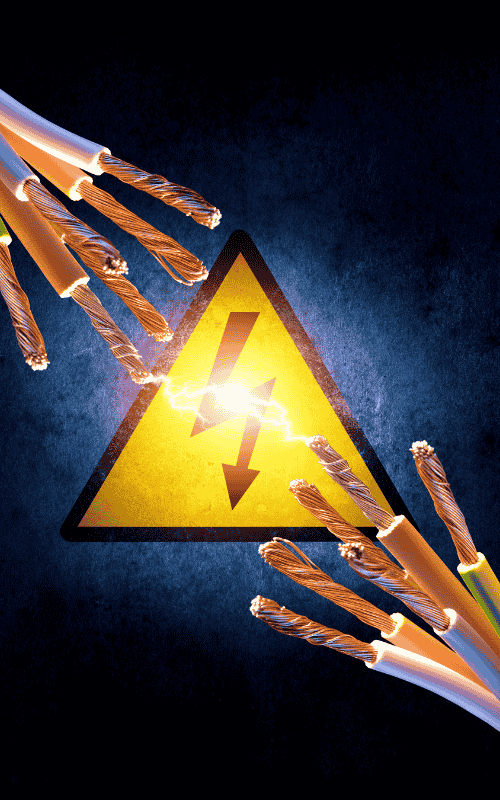
17. How can electricity be dangerous?

Electricity can cause shocks, burns, or fires if misused or exposed to water, damaged wires, or faulty appliances. Safety measures are essential.